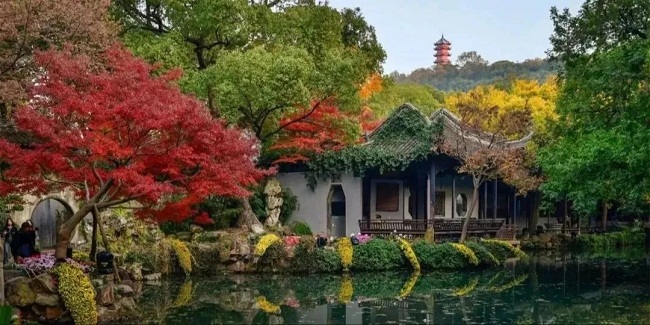
Huishan Ancient Town
Introduction
Huishan Ancient Town, located in the Huishan district of Wuxi, Jiangsu province, China, is a celebrated cultural and historical destination known for its rich heritage and scenic beauty. Covering an area of 3.5 square kilometers, with 109 hectares designated as the core area, this ancient town has been recognized as a national key park, a Chinese Historical and Cultural Street. In 2020, Huishan Ancient Town achieved the prestigious 5A-level rating, the highest for tourist attractions in China. The town is divided into four distinct tourism areas: the Cultural Relics and Historic Sites Area, Xihui Scenic Area, Historical and Cultural Street Area, and the Mountain Forest Conservation Area. The town's well-preserved ancient Chinese architecture, lush landscapes, and vibrant cultural festivals are all must-sees for tourists.
History
Huishan Ancient Town boasts a history that spans several centuries, with its origins dating back to various dynastic periods in China. The town is home to the Xishan Ancestors, the place where the Lord Chunshen to water his horse during the Warring States Period (475-221 BC). The Northern and Southern Dynasties (420-581) witnessed the establishment of Huishan Temple Garden. Other historical landmarks include the Second Spring from Vast World from the Tang Dynasty (618-907), Jinlian Bridge from the Song Dynasty (960-1279). and Jichang Garden from the Ming Dynasty (1368-1644). These historical sites, along with 108 ancestral halls and gardens create a tapestry of historical significance that continues to attract historians and tourists alike. Numerous poems and stories written by ancient literati add to the town's storied past, further broadening its historical charm through cultural connections.
Architecture
Traditional Structures
The architecture of Huishan Ancient Town reflects the traditional and classical styles associated with various dynasties throughout Chinese history. The town features a harmonious blend of natural landscapes and man-made structures, with small bridges, streaming rivers, and green mountains offering a picturesque backdrop. Traditional residential buildings, ancestral halls, and gardens are meticulously preserved, showcasing the architectural artistry and craftsmanship of ancient Chinese builders. The town's layout and aesthetics are characteristic of Jiangnan water towns, with elements such as winding streams, elegant bridges, and stone paths flanked by small stores, creating a distinctive and timeless ambiance.
Notable Buildings
Among the notable buildings in Huishan Ancient Town is the Jichang Garden, a Ming Dynasty masterpiece nestled against Huishan Mountain. The garden is renowned for its scenic beauty, especially in autumn when it transforms into a colorful palette. Another significant structure is the Huishan Temple, a 1,600-year-old religious site home to a 600-year-old ginkgo tree, which attracts visitors with its golden yellow leaves in late autumn.
Cultural Significance
Festivals and Events
Huishan Ancient Town is a vibrant hub of cultural activities, hosting various festivals and events that celebrate its rich heritage. Traditional Chinese festivals, such as the Mid-Autumn Festival and the Spring Festival, are celebrated with much pomp and grandeur, drawing locals and tourists to take part in the festivities. The town is also known for its Chinese tea performances, where guests can experience the intricate rituals and customs associated with tea culture. These events not only highlight the town's cultural legacy but also provide a platform for promoting its traditional arts and crafts.
Local Traditions
Local traditions are deeply embedded in the daily life of Huishan Ancient Town's residents, reflecting the town's rich historical and cultural fabric. The production of Huishan clay figures and Huishan cakes represents the town's artisanal heritage, with these crafts being highly sought after by visitors. The town's connection to tea culture is another significant aspect, with Huishan Spring being praised as "The Second Finest Spring under Heaven," offering a peaceful setting for enjoying tea and the surrounding natural beauty. These traditions contribute to the town's unique identity and offer visitors a glimpse into the customs and practices that have been preserved over generations.
Preservation Efforts
Huishan Ancient Town has made significant strides in conservation and preservation, ensuring that its historical and cultural assets are maintained for future generations. As part of its preservation efforts, the town has adopted measures to protect its architectural heritage, prevent urban encroachment, and maintain the integrity of its natural landscapes. Conservation programs focus on the restoration of ancient structures, the preservation of traditional crafts, and the promotion of sustainable tourism practices. These efforts contribute to the town's designation as a national key park and its consideration for inclusion in the World Cultural Heritages list, underscoring its importance as a cultural landmark.
Nature Landscape
The Azalea Garden is a significant aspect of Huishan's landscape. Known for its fiery blooms in spring, it remains a colorful spectacle throughout autumn, adding to the town's visual appeal. This garden, alongside the ancient Huishan Temple, creates a fusion of botanical diversity and historical charm, with the temple's 600-year-old ginkgo tree drawing numerous visitors each year.
Visitor Information
For those planning a visit to Huishan Ancient Town, practical information is readily available. The town is open daily from 8 am to 4 pm, with an entrance ticket priced at 70 yuan ($10) per person. Visitors can access the town via public transportation, taking metro line 1 from Wuxi Railway Station to Sanyang Plaza, followed by a bus ride on routes No 611, No 15, No 75, or No 81. The town offers a visitor-friendly atmosphere with amenities and guidance to enhance the touring experience, making it an ideal destination for both domestic and international tourists seeking to explore the cultural and historical riches of Jiangsu province.








